
Anastomosis in Roux-en-Y Gastric Bypass: What to Know
Roux-en-Y gastric bypass (RYGB) is a well-established operation for meaningful, durable weight loss and metabolic improvement. A critical step is the anastomosis—the surgical connection that reroutes food from a small stomach pouch into the small intestine. Understanding what the anastomosis is, how it’s constructed, and what it means for recovery helps you make informed decisions and recognize what’s normal after surgery.
What is an anastomosis in RYGB?
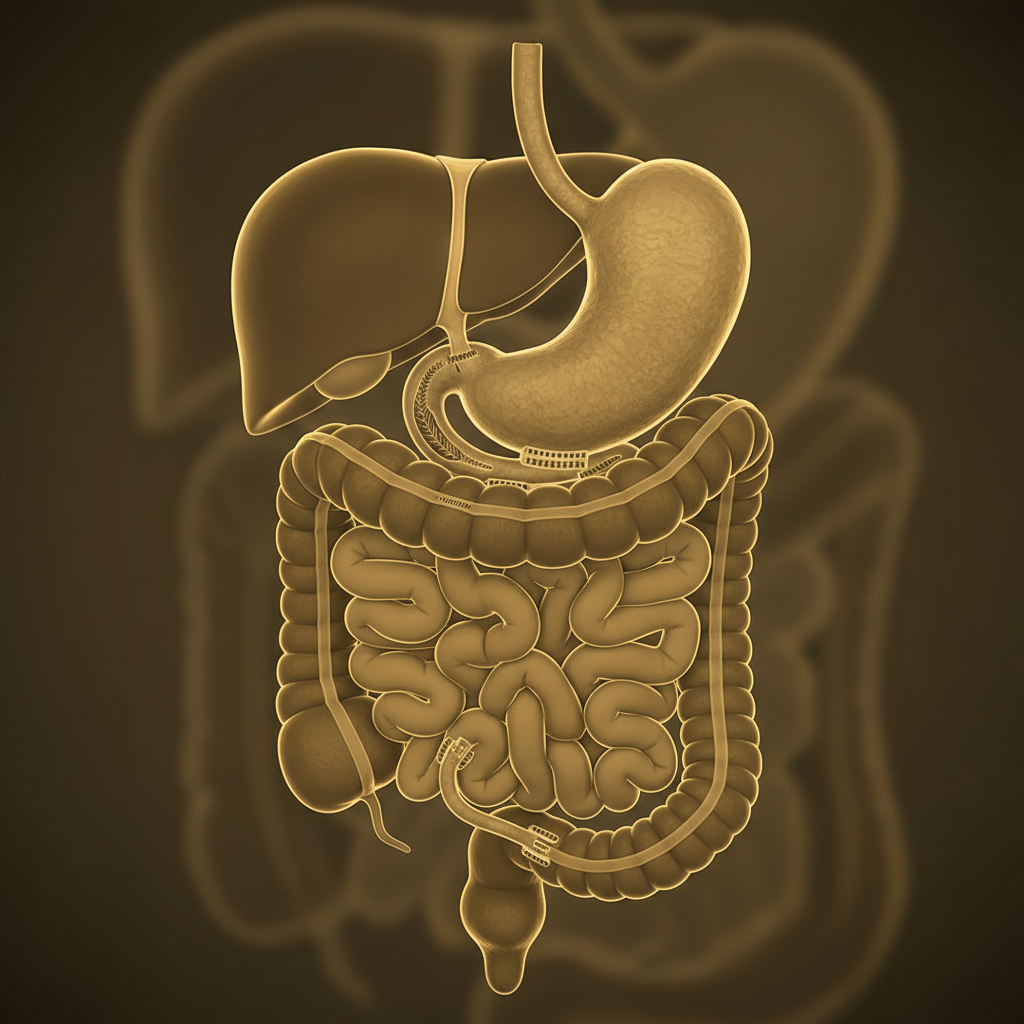
“Anastomosis” means a surgical junction between two hollow structures. RYGB typically involves two:
- Gastrojejunostomy (GJ): connects the new stomach pouch to the jejunum so food bypasses the rest of the stomach and duodenum.
- Jejunojejunostomy (JJ): reconnects two segments of small intestine to complete the rerouting of bile and pancreatic juices.
This new pathway limits meal size, modestly reduces calorie absorption, and triggers beneficial hormone changes that improve satiety and insulin sensitivity.
How Surgeons Create the Anastomosis
The approach can vary slightly based on your anatomy and your surgeon’s preferences, but core steps include:
- Pouch creation: A small, vertically oriented stomach pouch is created to restrict food intake.
- GJ construction: This connection may be made with a stapler (linear or circular) or hand-sewn. The opening is carefully sized to balance restriction, nutrition, and stricture risk.
- JJ construction: Typically stapled and reinforced. Limb lengths are selected based on weight loss goals and nutritional balance.
- Leak testing & reinforcement: Surgeons may test the connections for leaks during surgery and reinforce them with buttressing materials.
- Enhanced recovery protocols (ERAS): These include optimized pain control, early walking, fluid management, and nausea prevention to support recovery.
Why the Anastomosis Matters
- Weight loss mechanics: Smaller stomach + bypass = early fullness and reduced absorption.
- Metabolic impact: Rerouting and hormonal shifts improve diabetes, cholesterol, and liver function.
- Reflux control: Diverting acid and bile often improves GERD symptoms.
Expected Sensations vs Red Flags After GJ/JJ Creation
Common, Expected Early Experiences
- Pressure or fullness with small volumes
- Mild nausea that improves with slow sipping and anti-nausea meds
- Soreness around incisions and with deep breaths or coughing
Contact Your Care Team Urgently For
- Persistent vomiting or inability to keep liquids down
- Worsening abdominal pain, fever, fast heart rate, or shoulder-tip pain with fever
- Chest pain, shortness of breath, or calf swelling
- Black stools or vomiting blood
These may signal complications such as leak, stricture, ulcer, or clot and require prompt evaluation.
Potential Anastomosis-Related Complications (Uncommon, Manageable)
- Leak (early): severe pain, fever, rapid heart rate; treated urgently.
- Stricture (weeks to months): progressive vomiting/food intolerance; often treated endoscopically with dilation.
- Marginal ulcer (pouch–intestine junction): epigastric pain, nausea, bleeding; risk increases with tobacco and NSAIDs; managed with acid suppression and strict avoidance of triggers.
- Internal hernia/obstruction (months to years): intermittent crampy pain, vomiting; requires imaging and surgical evaluation.
Standardized technique, early ambulation, protein-first nutrition, and clear follow-up reduce these risks.
Recovery and Long-Term Care After RYGB
- Diet progression: clear liquids → full liquids → pureed/soft → balanced, protein-first meals in small portions.
- Hydration: build to ~64 oz/day by frequent small sips.
- Vitamins and labs: lifelong bariatric multivitamin, B12, calcium citrate with vitamin D, and iron as indicated; labs at baseline, 3–6 months, 12 months, then annually if stable.
- Activity: early walking, progressing to 30–45 minutes most days; add 2–3 brief strength sessions weekly when cleared.
- Follow-ups: 10 days, 6 weeks, 3/6/9/12 months, then every 6–12 months to review symptoms, nutrition, and labs.
The Tennessee Style Weight Loss Institute Approach
- Procedure-matched planning: pouch size, anastomosis technique, and limb lengths tailored to your anatomy and metabolic needs.
- Minimally invasive surgery with ERAS: to reduce pain, nausea, clot risk, and length of stay.
- Integrated nutrition & lab program: clear supplement protocols, reminders, and timely adjustments.
- Rapid access between visits: direct lines for symptom questions so small issues don’t become big ones.
Take the Next Step
If you’re considering Roux-en-Y gastric bypass, schedule a focused consultation with Tennessee Style Weight Loss Institute. You’ll leave with an individualized roadmap, including pre-op testing, education sessions, a nutrition and vitamin plan, recovery milestones, and your follow-up schedule. We’ll help you understand the anastomosis and every other step, so you can move forward confidently.
-Disclaimer-
The information provided on this website is for informational and educational purposes only and should not be considered medical advice. Always consult with a qualified healthcare provider before starting any treatment, medication, or procedure. The content on this website is not intended to replace professional medical guidance, diagnosis, or care. Any treatment or procedure should be discussed directly with a licensed medical professional.