
Bariatric Surgery
Incisionless Bariatric Revision Procedures in Nashville, Tennessee
Endura Revision is a non-surgical, endoscopic Bariatric “Tune-Up” designed for People who have regained Weight after a prior Bariatric Procedure. If a Sleeve Gastrectomy or Gastric Bypass helped at first but Results have slowed or Weight has crept back, Endura Revision can help restore Restriction and improve Portion Control, without incisions or another Operation.
Endura Revision includes two main Procedure Types, based on your original Surgery:
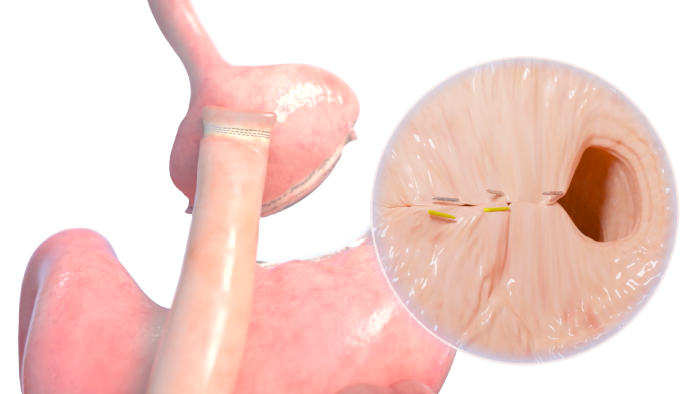
TORe (Transoral Outlet Reduction)
TORe is for People who previously had a Gastric Bypass. Over Time, the Outlet (Connection) between the Stomach Pouch and the Intestine can widen. TORe reduces Outlet Size endoscopically, which can slow how quickly Food moves through the Digestive Tract and help Fullness last longer.
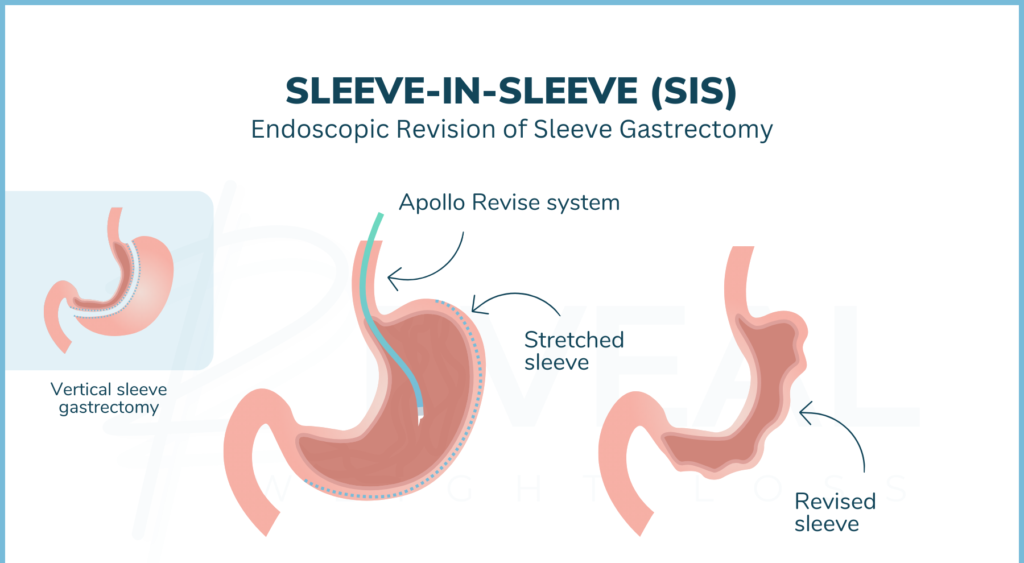
SIS (Sleeve-in-Sleeve)
SIS is for People who previously had a Sleeve Gastrectomy and experienced Stomach stretching over Time. Using an Endoscope and internal Sutures, the Provider re-tightens the Sleeve to reduce Capacity and bring back the restrictive Effect that supported early Weight Loss.
Just like ESG, there are multiple Technique Options for SIS and TORe, including advanced Suturing Patterns and approaches such as ESD-TORe, depending on Anatomy, prior Procedure Details, and Provider Recommendation. Based on Method and Patient Factors, Weight Loss Outcomes can range from 3% to 15% of Total Body Weight.
Amazing results are achieved with the right plan!
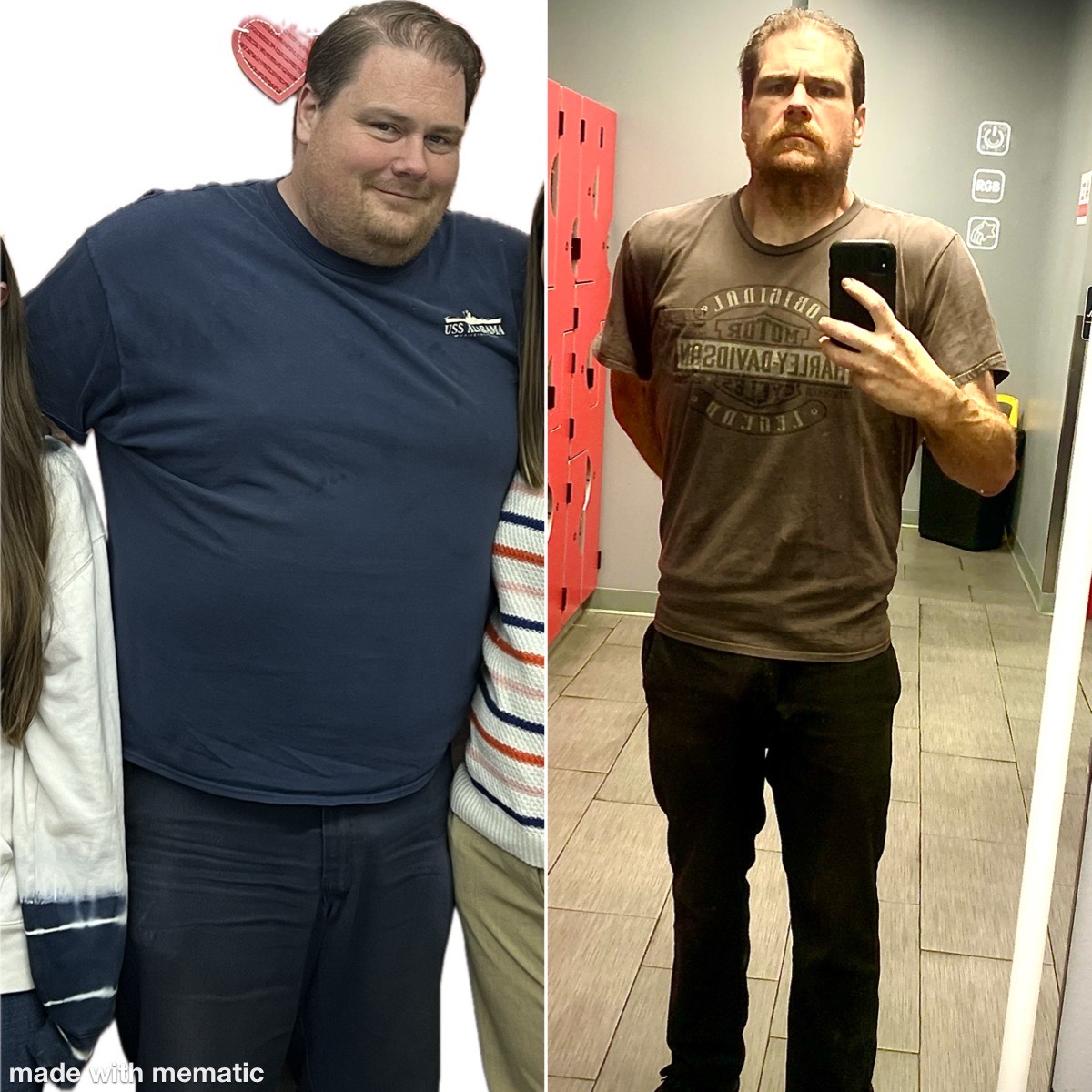
Alexander Veach
RNY gastric bypass
Life changing and it's no joke. Words of advice is to do research on food and macros learn to and how to read food labels and get a food scale...
Alexander Veach
Before
325lbs
After
192lbs
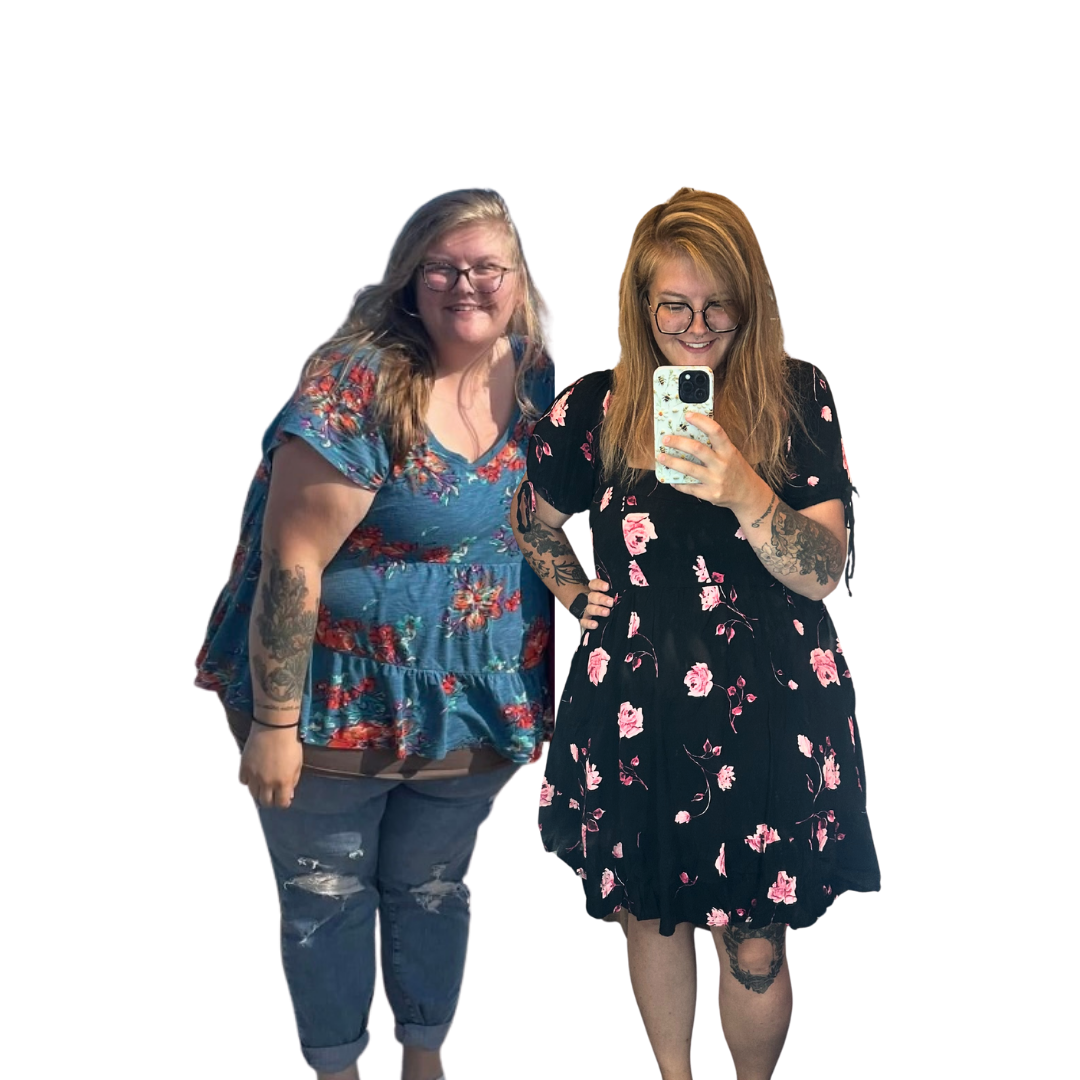
Rebecca Flentge
RNY gastric bypass
I had gastric bypass surgery with Dr. Abou- Hanna in August of 2024. He and his staff are amazing and were super helpful and supportive throughout the process. Would definitely recommend this clinic if you’re looking for weight loss support...
Rebecca Flentge
Before
448lbs
After
230lbs
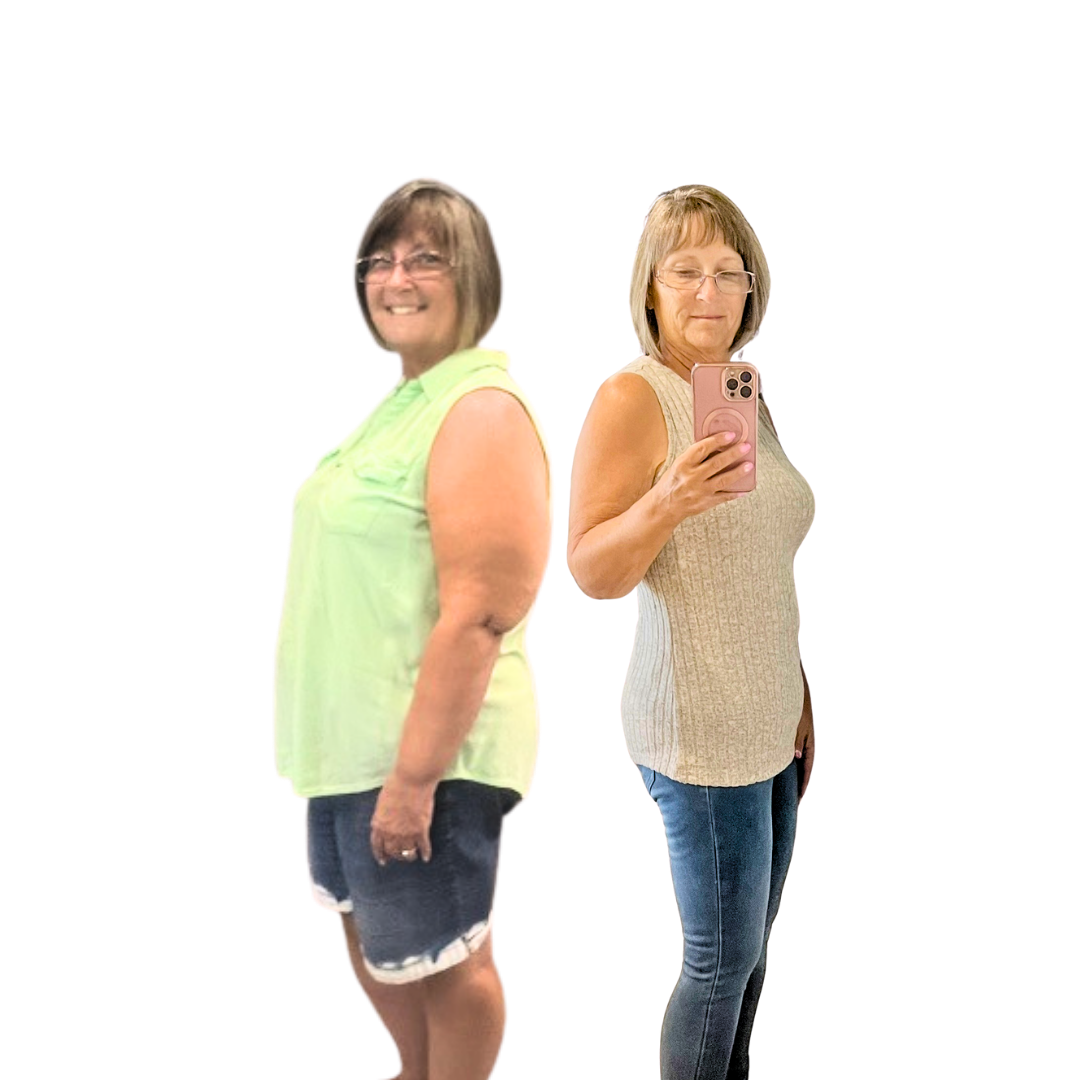
Melissa Hickish
RNY gastric bypass
I was resigned to the fact that I would always be heavy. I was experiencing the consequences of my weight including GERD, knee and hip pain, recurring hernias, high blood pressure and the overall inability to be active in my everyday life...
Melissa Hickish
Before
224lbs
After
128lbs
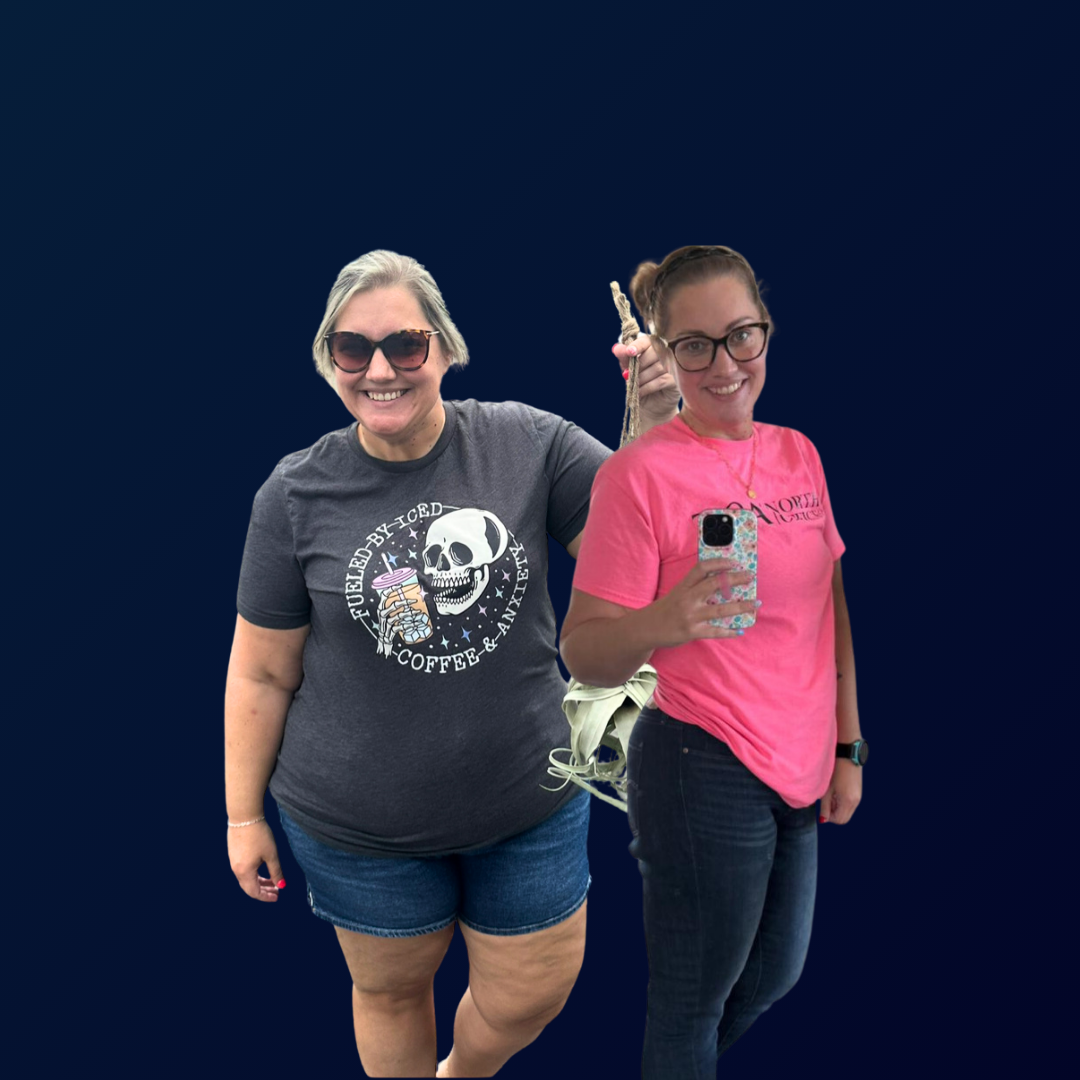
Sarah Younkin
Revision Sleeve to Bypass
Dr. Abou-Hanna and staff are amazing. I felt like all my questions and concerns were addressed at each visit. If you are on weight loss journey, I would definitely recommend!
Sarah Younkin
Before
330lbs
After
180lbs
All inclusive
- Pre-Op Support
- Dietician Visit
- Insurance Support
- Nutrition Guidance
- Surgery, Hospital, & Anesthesia Included
- Post-Op Care
- No Hidden Fees
How TORe Works
TORe is an Endoscopic Revision Procedure for People who previously had Gastric Bypass. Over Time, the Outlet (Connection) between the Stomach Pouch and the Intestine can widen, which may reduce Fullness and make Portion Control harder. During TORe, a Specialist uses an Endoscope through the Mouth to reach the Outlet and place Sutures that reduce the Outlet Diameter. This helps slow how quickly Food leaves the Pouch, so Fullness lasts longer and smaller Portions feel more satisfying.
Smaller Outlet Size can improve Fullness and reduce “too-fast” Emptying.
Restored Restriction supports better Portion Control and consistent Nutrition Habits.
Follow-Up Care helps maintain Results through structured Nutrition and Lifestyle Support.
Who Is It For?
TORe is an Endoscopic Revision Procedure for People who previously had Gastric Bypass. Over Time, the Outlet (Connection) between the Stomach Pouch and the Intestine can widen, which may reduce Fullness and make Portion Control harder. During TORe, a Specialist uses an Endoscope through the Mouth to reach the Outlet and place Sutures that reduce the Outlet Diameter. This helps slow how quickly Food leaves the Pouch, so Fullness lasts longer and smaller Portions feel more satisfying.
Smaller Outlet Size can improve Fullness and reduce “too-fast” Emptying.
Restored Restriction supports better Portion Control and consistent Nutrition Habits.
Follow-Up Care helps maintain Results through structured Nutrition and Lifestyle Support.
How SIS Works
SIS is an Endoscopic Revision Procedure for People who previously had Sleeve Gastrectomy and experienced Sleeve stretching over Time. When the Sleeve enlarges, the Stomach can hold more Food, which can make smaller Portions less satisfying. During SIS, a Specialist uses an Endoscope through the Mouth to place internal Sutures that fold and tighten the Sleeve into a narrower Shape. This restores Restriction without incisions and helps Patients get back to structured Portion Control.
Tightening the Sleeve reduces usable Stomach Capacity.
Earlier Fullness makes smaller Meal Portions easier to maintain.
Structure supports long-term Nutrition Habits and Weight Management.
Who Is It For?
SIS is typically for People who had Sleeve Gastrectomy and have regained Weight or noticed reduced Restriction over Time. It may be a good Fit if:
You can eat larger Portions than before and feel less Full afterward.
You’ve regained Weight after Sleeve Surgery and want a Non-Surgical Revision Option.
You’re willing to follow a Nutrition Plan and consistent Follow-Up Support.
A Consultation helps confirm Sleeve Anatomy, Eligibility, and the best Revision Approach for your Goals.
Why you should choose SIS or TORe as your Revision
Step 1
No Incisions
Incisionless Revision is done through the Mouth, so there are no external Cuts on the Abdomen. That usually means fewer Wound Concerns, less visible Scarring, and fewer surface-level Healing Issues compared to a surgical Revision.
Step 2
Quicker Recovery
Because there’s no abdominal Incision to recover from, many Patients experience less downtime and a smoother return to normal Routine. You still follow a structured Nutrition Progression, but the overall Recovery can feel more manageable than another Operation.
Step 3
Lower Burden on your Body
Revision Surgery can be more complex because the Body has already been through a Procedure. An incisionless approach avoids re-entering the Abdomen and working through Scar Tissue, which can reduce overall Procedural Stress for the Body and simplify the path for certain Candidates.
Step 4
Targeted Tightening
Incisionless Revision focuses on the specific Anatomy that commonly changes over Time, like a widened Outlet after Gastric Bypass or a stretched Sleeve after Sleeve Gastrectomy. By restoring Restriction where it matters most, it helps Patients get back to better Fullness, smaller Portions, and stronger Habit Control without going through another Surgery.
Pre-Op Preparation
Preparing for gastric bypass starts before you ever enter the operating room. In the weeks leading up to surgery, you’ll follow a special high-protein, low-calorie diet designed to shrink the liver. Since the liver often enlarges with obesity, reducing its size makes it easier for the surgeon to safely reach the stomach and lowers the chance of complications.
This stage is also about laying the groundwork for life after surgery. You’ll receive guidance on vitamins, hydration, and meal planning, along with lifestyle adjustments that set you up for long-term success. These preparations aren’t just short-term requirements—they’re the first step in building the habits that will carry you through recovery and beyond.
Post-Op Recovery
Healing after gastric bypass takes time, but it follows a clear path. The goal is to let your body recover while helping you adjust to eating smaller amounts and absorbing fewer calories. Because bypass combines restriction and malabsorption, paying attention to nutrition and supplements is especially important.
Early Recovery (First 2 Weeks)
- Most patients spend 1–2 days in the hospital for monitoring.
- Walking within 24 hours helps circulation and speeds recovery.
- Pain is controlled with medication, and clear liquids are introduced gradually.
- The main focus is hydration, gentle movement, and rest.
Adjustment Phase (Weeks 3–6)
- Diet shifts from pureed foods to soft meals, eaten slowly in very small portions.
- Daily vitamins and supplements become part of your routine.
- Light activity and a return to work are possible, depending on how you feel.
- Protein intake and hydration remain top priorities.
Long-Term Recovery (After 6 Weeks)
- Steady weight loss continues for many months.
- Regular follow-ups track progress, support nutrition, and adjust care as needed.
- Long-term results depend on healthy eating, active living, and consistent medical support.
Considering an Incisionless Bariatric Revision?
Let the team of experts drive your Weight Loss
If Weight Regain has been creeping back after a Sleeve Gastrectomy or Gastric Bypass, you may not need another Surgery to get back on track. Incisionless Revision Options like SIS and TORe can help restore Restriction, improve Fullness, and support better Portion Control, all through an Endoscopic Procedure done through the Mouth. Book a Consultation to confirm Eligibility and get a clear, personalized Plan for your next best Step.
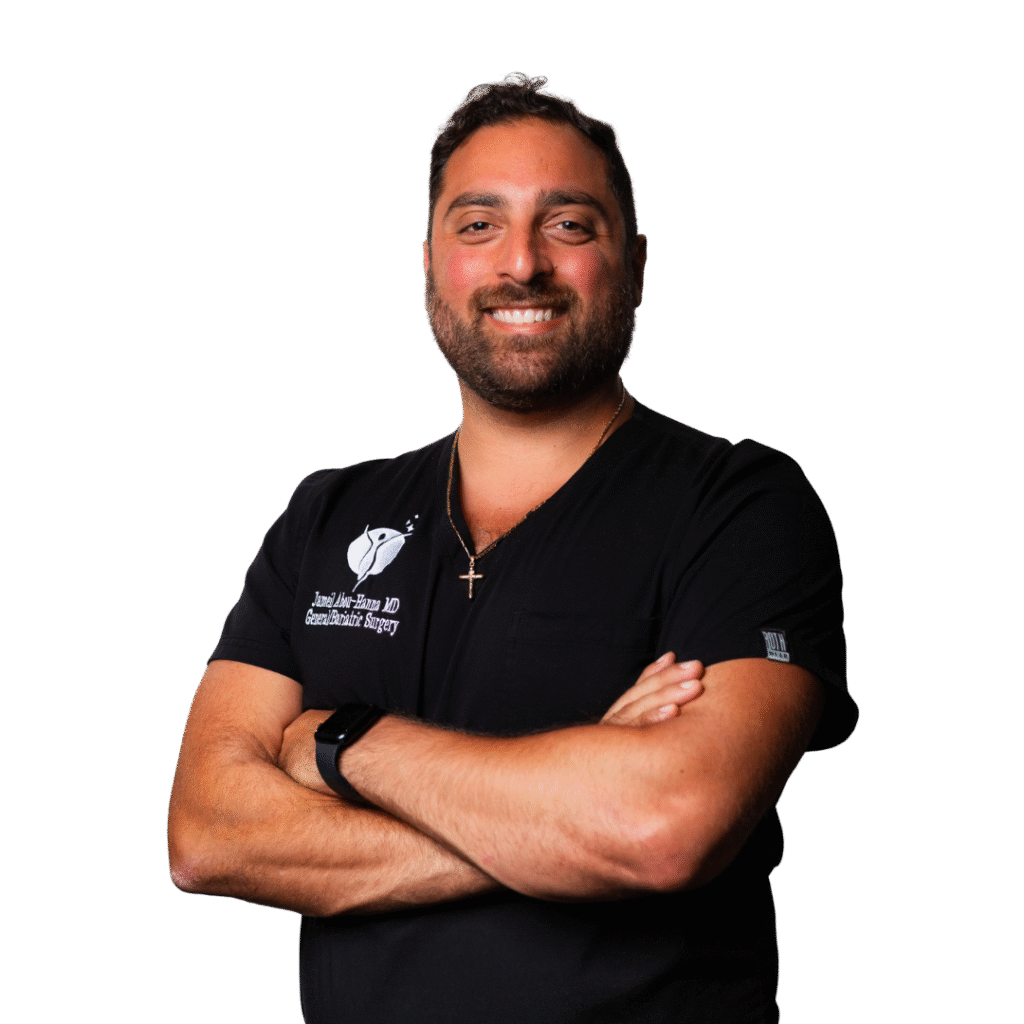
Dr. Jameil Abou Hanna
Leading Bariatric Surgeon

Jenna Bishop
Registered Dietitian

Kristi Nadler
Registered Dietitian