
Gastric Bypass vs. Gastric Sleeve
Choosing between gastric bypass (Roux-en-Y) and gastric sleeve (sleeve gastrectomy) depends on your medical profile, lifestyle, and goals. Both are effective tools for weight loss and metabolic improvement. The right choice matches your anatomy, reflux history, diabetes control, and readiness for lifelong vitamins and follow-up.
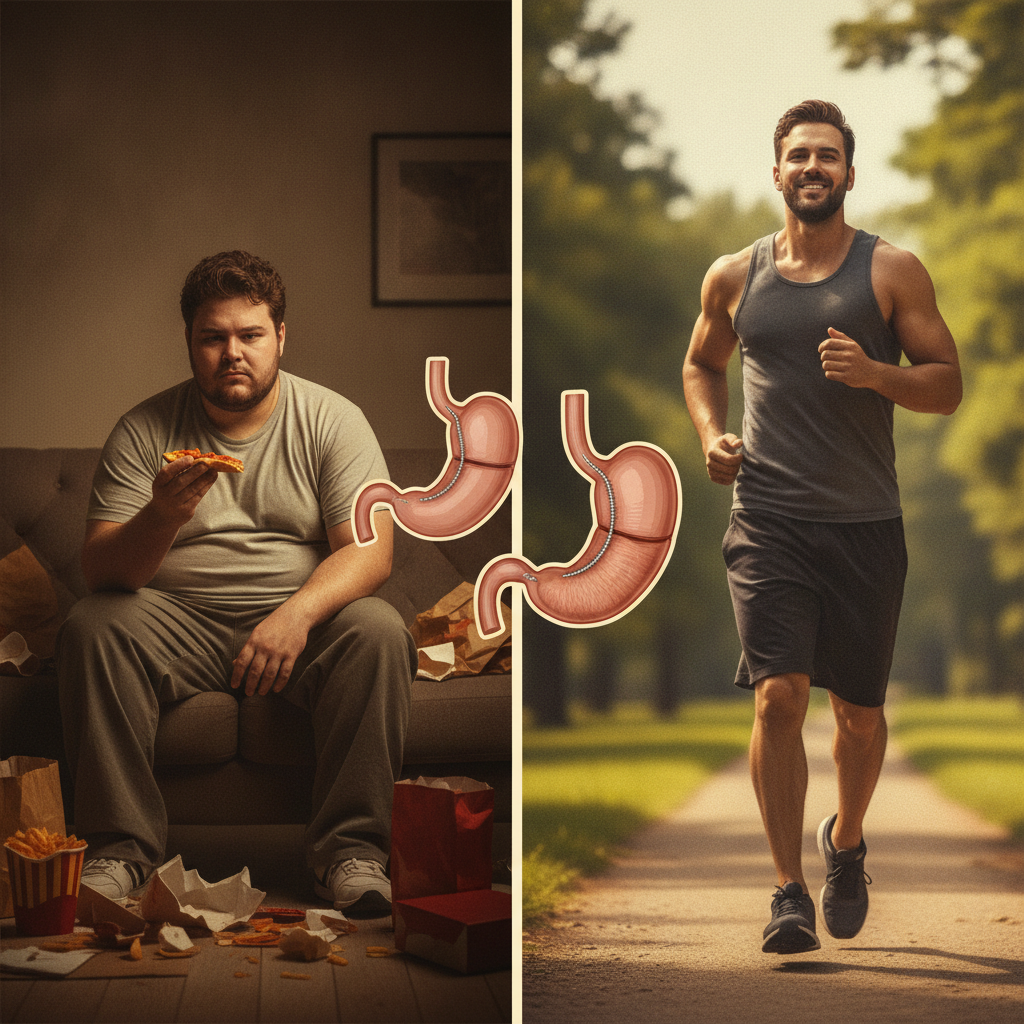
What is gastric bypass?
Roux-en-Y gastric bypass (RYGB) creates a small stomach pouch and connects it to the small intestine, bypassing a short segment of bowel. It reduces meal size, modestly limits absorption, and produces beneficial hormonal changes that support blood-sugar control and appetite regulation.
Typical advantages
- Strong, durable weight loss (often higher average loss than sleeve)
- Robust metabolic effect for type 2 diabetes
- Frequently improves significant GERD
Key considerations
- Lifelong vitamin/mineral supplementation is mandatory
- Risk of dumping symptoms with high-sugar foods
- Small risk of marginal ulcers (higher with tobacco/NSAIDs)
What is gastric sleeve?
Sleeve gastrectomy (VSG) removes roughly 70–80% of the stomach, forming a narrow sleeve. It primarily restricts intake and can reduce hunger signals.
Typical advantages
- Simpler anatomy than bypass; no intestinal rerouting
- Effective weight loss with a shorter operation time for many patients
- Lower likelihood of dumping symptoms compared with bypass
Key considerations
- Can worsen or unmask reflux in some patients
- Lifelong vitamins still required, though malabsorption is less pronounced
- Stomach capacity may gradually increase; grazing and liquid calories can hinder results
How to choose: practical decision points
Bypass may be preferable if you:
- Have significant GERD needing durable control
- Live with hard-to-manage type 2 diabetes
- Need a stronger metabolic effect and can commit to strict vitamin adherence
Sleeve may be preferable if you:
- Have little to no reflux and want a simpler anatomy
- Prefer to avoid intestinal rerouting
- Want effective weight loss with a shorter procedure time
Final selection follows a comprehensive evaluation. Some patients are better served by other procedures (for example, duodenal switch/SADI) based on BMI, diabetes severity, and long-term feasibility.
Nutritional care after surgery
Core principles for both sleeve and bypass
- Protein-first: aim 60–100 g/day depending on size and activity. Prioritize lean meats, eggs, dairy, tofu, legumes, and medical-grade protein shakes.
- Hydration: target 1.5–2.0 L/day (about 64 oz). Small, frequent sips. Avoid liquids 30 minutes before and after meals to protect restriction.
- Lifelong vitamins + labs: routine supplementation isn’t optional. Pair with scheduled labs to catch deficiencies early.
- Eating skills: small portions, slow bites, thorough chewing, pause between bites, stop at first satiety cue. Avoid grazing.
Stage progression
- Days 0–2: clear liquids (water, broth, sugar-free electrolyte drinks).
- Days 3–14: full liquids (protein shakes, lactose-free milk, smooth soups).
- Weeks 3–4: pureed/very soft proteins (scrambled eggs, Greek yogurt, blended beans, flaky fish).
- Weeks 5–6: soft solids; introduce cooked vegetables, tender meats.
- Week 7+: regular textures; protein-first plate, then non-starchy veg, then complex carbs as tolerated.
Supplement regimen
- Bariatric multivitamin: complete, high-potency formula daily (chewable/liquid for first 2–3 months, then capsule as tolerated).
- Calcium citrate: 1,200–1,500 mg/day in 2–3 divided doses; do not take with iron.
- Vitamin D3: typically 2,000–3,000 IU/day; adjust to keep 25-OH D ≥ 30–50 ng/mL.
- Vitamin B12: 350–500 mcg/day oral/sublingual or 1,000 mcg IM monthly.
- Iron: generally 45–60 mg elemental/day for menstruating patients or if ferritin is low; coadminister with vitamin C; separate from calcium.
- Others as indicated: thiamine (B1) if vomiting or very low intake, folate, zinc (8–15 mg/day), copper (1–2 mg/day), biotin for hair shedding.
Bypass vs sleeve notes
- Bypass (RYGB): higher risk of iron, B12, calcium, vitamin D deficiencies; stricter adherence needed.
- Sleeve (VSG): malabsorption is lower, but B12, iron, D deficiencies still occur without consistent supplements and labs.
Lab monitoring
- Timing: baseline pre-op; 3–6 months, 12 months, then annually if stable (sooner if symptomatic).
- Panel: CBC, CMP, ferritin, iron/TIBC or transferrin saturation, B12, folate, thiamine, 25-OH vitamin D, calcium, PTH, magnesium, zinc, copper, lipid panel, A1c if diabetic, TSH if clinically indicated.
Common nutrition issues & quick fixes
- Nausea/fullness: slow down, smaller bites, check portion size, avoid drinking with meals.
- Constipation: fluids up, fiber gradually (chia, psyllium), magnesium citrate/oxide as advised, walk daily.
- Hair shedding (3–6 months): temporary; ensure protein 80–100 g/day, keep ferritin/B12/D/zinc/copper in range.
- Reactive hypoglycemia (more in bypass): small, balanced meals; avoid concentrated sugars; add protein/fat with carbs.
Risks and safety profile
General surgical risks
Bleeding, infection, blood clots, anesthesia complications. Programs use standardized pathways to lower risk: pre-op optimization, VTE prevention, antibiotics, and early ambulation.
Procedure-specific concerns
- Sleeve: leak at staple line, significant reflux/heartburn, stricture, rare bleeding.
- Bypass: leak at connections, internal hernia, marginal ulcers (especially with NSAIDs, smoking, or steroids), strictures, small-bowel obstruction, dumping syndrome.
How risk is reduced
- Enhanced recovery: early walking, incentive spirometry, pain control that limits opioids.
- Clear instructions: staged diet, hydration targets, warning signs list, direct messaging/phone access.
- Follow-up: scheduled check-ins, prompt imaging/endoscopy if red flags appear.
Red flags: contact your team immediately
- Persistent vomiting, worsening abdominal pain, fever/chills, chest pain, shortness of breath, black/tarry stools, inability to keep fluids down, rapid heart rate, calf pain/swelling.
Medication cautions
- Avoid NSAIDs after bypass; use only if your surgeon clears it.
- Acid suppression (PPI) is commonly used early after both procedures.
- Gallstone prevention: short course of ursodiol may be prescribed during rapid weight loss.
Frequently asked questions
Is gastric sleeve reversible?
No. The removed stomach cannot be restored. Revisions are possible (for example, conversion to bypass for severe reflux or inadequate metabolic response).
Which surgery has faster recovery?
Typical return to work: sleeve 2–4 weeks, bypass 4–6 weeks, depending on job demands and individual healing. Heavy lifting may require longer restrictions.
What will I eat after surgery?
Both follow staged progression: clear liquids → full liquids → pureed → soft solids → regular. Long term, every meal starts with protein, then vegetables, then complex carbs as room allows.
When can I exercise?
- Week 1: walking multiple short sessions daily.
- Weeks 2–4: increase walking; gentle low-impact cardio.
- Weeks 4–6: light resistance bands or bodyweight if cleared.
- 6+ weeks: progressive strength training and higher-intensity cardio per surgeon clearance.
Can I drink coffee, alcohol, or carbonated beverages?
- Coffee: usually allowed after the liquid stage if tolerated; avoid adding sugar.
- Alcohol: stronger effect after surgery; delay at least 3 months (often longer), limit strictly, never drive after a single drink.
- Carbonation: can cause discomfort and gas; many patients avoid it long term.
Will I have dumping syndrome?
Possible, more common after bypass. Symptoms include palpitations, sweating, cramping, diarrhea after high-sugar meals. Prevention: limit added sugars, pair carbs with protein/fat, eat slowly.
What about reflux?
- Sleeve: reflux can worsen; medical management or conversion to bypass may be considered if severe.
- Bypass: often improves reflux.
How do I manage constipation or diarrhea?
- Constipation: fluids, gradual fiber, magnesium or stool softener if approved.
- Diarrhea: watch for lactose intolerance or sugar alcohols; consider probiotics; speak to your team if persistent.
Will I lose muscle?
Some lean mass loss is expected. Minimize it with adequate protein (80–100 g/day) and progressive strength training.
Will I have loose skin?
Common after large weight loss. Hydration, protein, resistance training help composition but don’t remove excess skin. Body-contouring is an option after weight stabilizes.
Can I take GLP-1 medications after surgery?
Sometimes used for plateaus or regain, especially with sleeve. Decision depends on symptoms, anatomy, labs, and weight trajectory. Your clinician will individualize.
How long until I see results?
Most weight change occurs in the first 3–6 months, with continued loss to 12–18 months. Metabolic markers (A1c, lipids, blood pressure) often improve early.
Pregnancy planning?
Delay conception 12–18 months until weight and labs are stable. Continue prenatal vitamins plus bariatric regimen under coordinated care with OB-GYN and your bariatric team.
Take the next step
Your decision should be guided by a structured consultation, not guesswork. At Tennessee Style Weight loss Institute, we will:
- Review your medical history, reflux status, and metabolic needs
- Compare bypass and sleeve in the context of your goals
- Outline a clear plan for education, testing, surgery, and recovery
- Provide post-operative nutrition, vitamin, and follow-up support
Schedule your consultation with Tennessee Style Weight loss Institute to finalize your best-fit option and move forward confidently.
-Disclaimer-
The information provided on this website is for informational and educational purposes only and should not be considered medical advice. Always consult with a qualified healthcare provider before starting any treatment, medication, or procedure. The content on this website is not intended to replace professional medical guidance, diagnosis, or care. Any treatment or procedure should be discussed directly with a licensed medical professional.